
Heat Pumps
How Heat Pumps Work
Heat pumps work by pumping or moving heat from one place to another by using a compressor and a circulating structure of liquid or gas refrigerant, through which heat is extracted from outside sources and transferred to your house.
As a result of this, heat pumps require much less electricity, as opposed to electric boilers, and can often achieve a 300-400% efficiency rate. As the amount of heat energy produced is markedly higher than the energy consumed.
Heat pumps come with multiple advantages for your home. And besides heating your house, during the summers, the cycle can be reversed and the unit acts like an air conditioner.
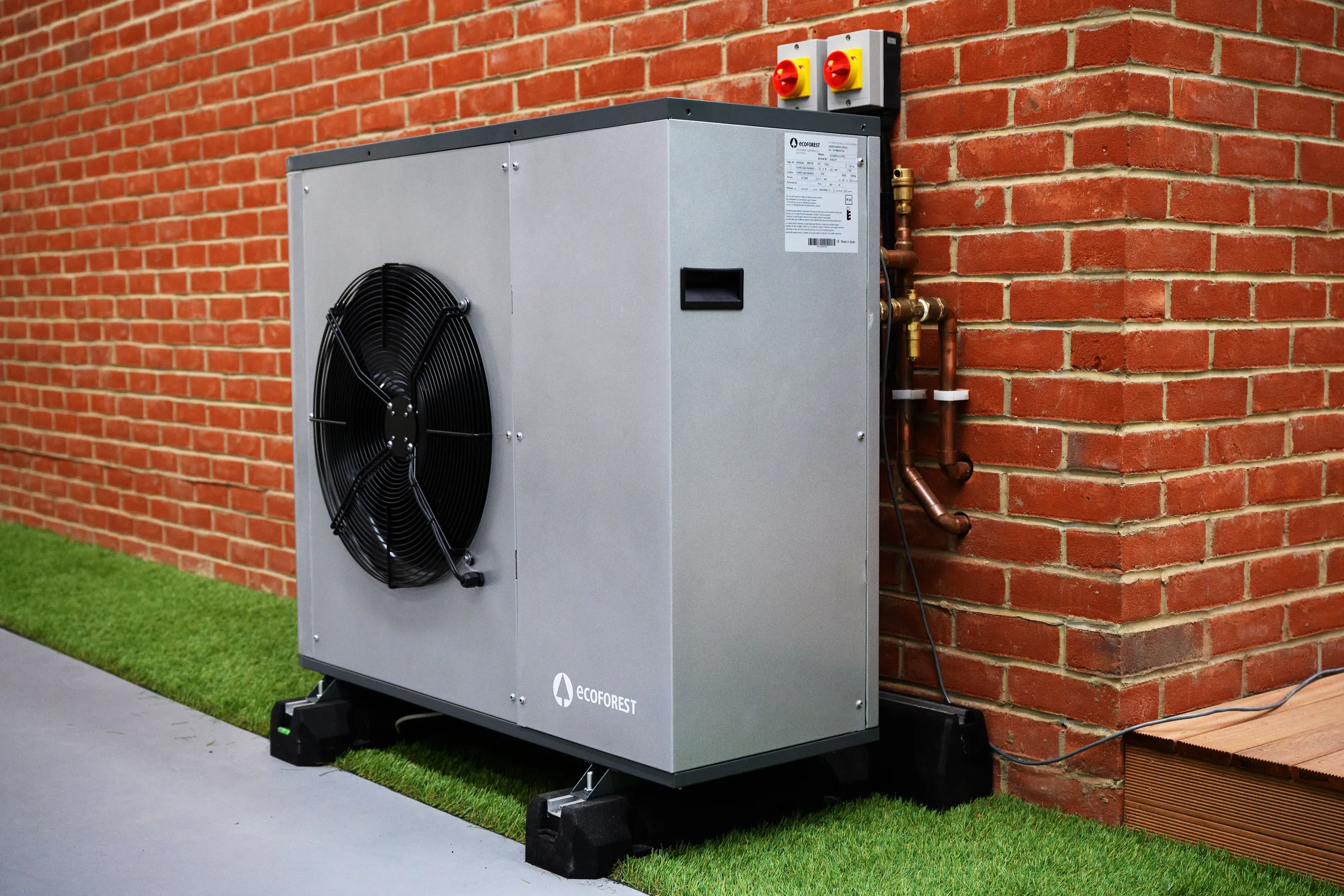
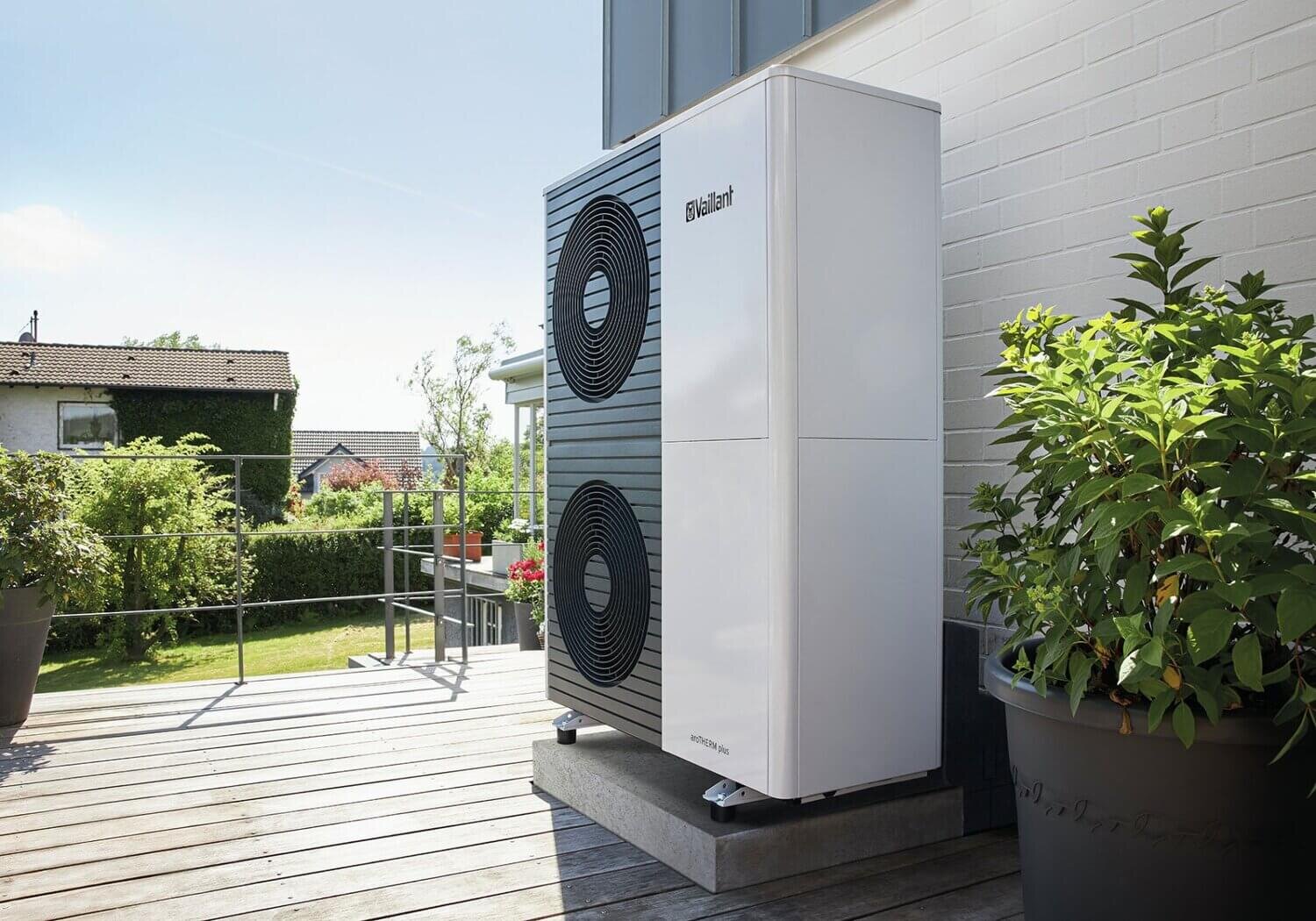
Advantages Of Heat Pumps?
Heat pumps’ advantages clearly indicate that they represent a smart investment in the long run. Given that you can save on your energy bills (as the mechanism behind the heat pump simply moves the heat from one space to another rather than producing it) and that the government can provide you with financial support, heat pumps are absolutely worth it.
Depending on your current situation, the repayment time can be drastically shorter than the lifespan. Making it a very worthy investment. You might regard the large upfront costs, but simultaneously you also need to see the bigger picture. Solar applications plus heat pumps can help you on the path to zero net energy.
Benefits of heat pumps include lower running costs, less maintenance, reduced carbon emissions and a longer lifespan.